
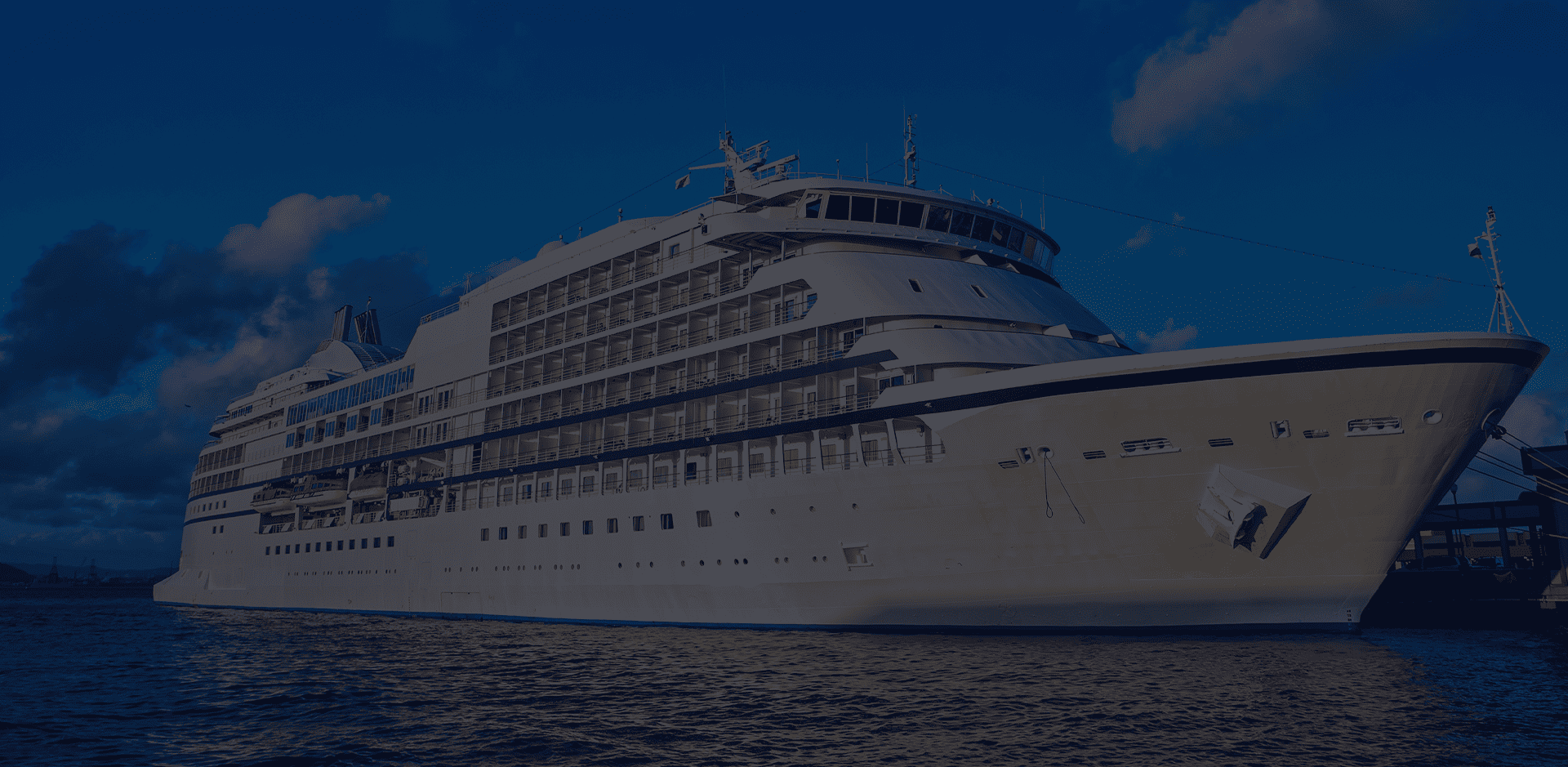
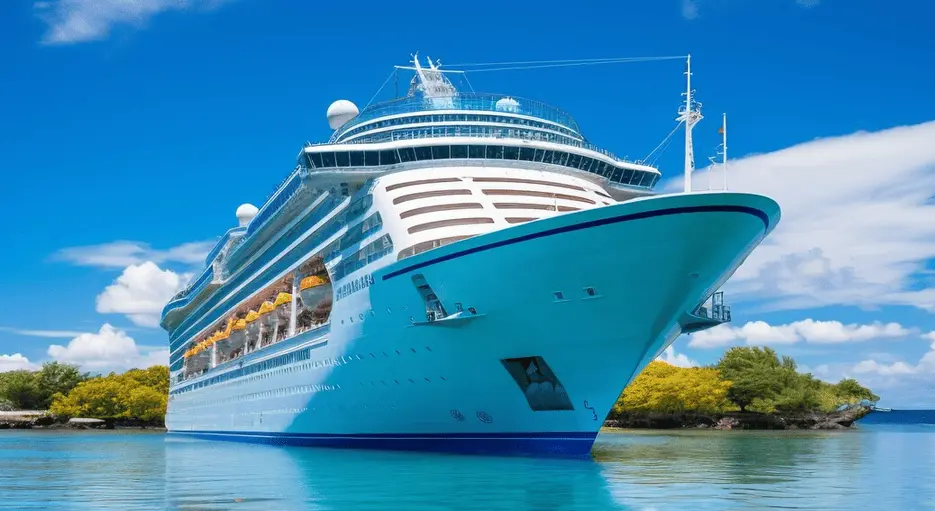
Cruise ships today are a remarkable destination in their own right. You can get access to multiple restaurants, entertainment venues, wellness facilities, shopping areas, and accommodations on a cruise ship. All these are designed for every type of traveler, as modern vessels offer experiences that were not possible even a few decades ago.
Nevertheless, cruise ships did not start as vacation resorts. The story of how cruise ships evolved from being practical ocean liners to floating leisure destinations is a fascinating one. It’s a story of innovation, changing travel habits, and advances in maritime engineering as well.
You will start appreciating how far the industry has come, once you understand how cruise ships have evolved. In this blog, let’s unravel how this transformation from simple passenger vessels to impressive vacation experiences took place.
Crossing an ocean previously was all about large ships, especially before commercial aviation became accessible. The passenger liners of the 19th and 20th centuries were primarily designed for the transformation of people from one place to another. Traveling across vast distances and carrying everyone from immigrants and business travelers to tourists, these vessels connected continents in ways that were unimaginable at one point.
Efficiency, reliability, and safety were the primary areas of focus of such ships. Wealthier passengers could enjoy extravagant accommodations; the main focus was always on getting people from one destination to another.
Comfort was important, but secondary to transportation, especially because travelers spent days or even weeks at the sea. The concept of taking voyages simply for leisure was rare and uncommon during such times.
Maritime technology advanced and shipping companies got another factor to compete on, besides speed. It was the comfort of passengers. Elegant ocean liners emerged during the early 20th century, and featured grand dining rooms, sophisticated lounges, and beautifully designed interiors as well.
Slowly, extravagant sea travels became a symbol of prestige and refinement. Passengers could enjoy:
Multiple features were introduced by such ships, which continue to impact modern cruising as well. Nevertheless, even then, the primary use of even highly extravagant liners was merely transportation. The routes and schedules of all these extravagant liners were mainly dictated by the need to move travelers across different continents.
Post World War II, the commercial aviation revolution took place, and commercial air travel became accessible. This dramatically changed the overall transportation landscape. Passengers now could use airplanes to travel from one destination to another within hours, whereas, previously they needed days.
Aviation continued to become more affordable and efficient, and thus, the demand for traditional ocean liner services declined significantly. A major challenge was faced by shipping companies, as the business model that had sustained for generations was on the verge of becoming obsolete.
So, a complete revamp of sea travel was on the cards. It was established by many players in the market that rather than competing with airlines, redefining sea travel could be even more beneficial. The focus shifted from transportation to the journey itself. This shift marked the onset of modern cruise industry altogether.
Voyages in the 1960s and 1970s were marketed as vacations and not transportation by cruise operators. The purpose of boarding no longer was to go from one place to another, rather, the cruise experience itself started mattering. People started boarding such cruises to enjoy them!
A redesigning of ships took place to prioritize:
Guests could enjoy multiple destinations during a single trip. Cruise itineraries were prepared to accommodate multiple attractive destinations. For travelers seeking convenience, variety, and value, this new approach felt enticing and for the first time the ships themselves became the central attractions.
Cruising started gaining popularity and this forced shipbuilders to create larger vessels. Such vessels were capable of accommodating more passengers and offered a wide range of amenities as well.
Naturally, cruise lines got the ability to expand their offerings dramatically, as the size of the ships also increased significantly.
Now, modern vessels could include:
Operational efficiency also significantly improved with larger ships. Cruising became accessible to a wider range of travelers. Moreover, cruises were able to attract families, couples, groups, and even solo travelers, as they had the ability to offer diverse experiences.
Thus, it resulted in cruise vacations becoming increasingly mainstream during such times.
A highly significant transformation in cruise ship design was noted in the late 20th and early 21st centuries. Ships increasingly started resembling floating resorts, and transformed beyond simple vacation vessels.
They started rivaling land-based destinations, simply by offering enjoyable experiences in ships. Many ships now feature:
Regardless of age or interests, every traveler could get something out of their cruise experiences, as onboard experiences also expanded. Guests could now enjoy an entire voyage and did not run out of things to do as well. Thus, the ship itself became a destination for such travelers.
The evolution of cruise ships can be significantly attributed to technology, as it played a massive role here. By utilizing advanced systems that enhanced comfort, convenience, and efficiency, modern vessels became even more enticing.
Guests can often benefit from:
Ships could also operate more effectively behind the scenes, thanks to technological advancements. With advanced navigation systems, communication networks, and operational software available, the end result was smoother voyages and improved guest experiences as well.
Cruise operators leveraged such technologies to ensure better management of increasingly complex floating resorts, while maintaining high levels of service as well.
The diversification of accommodation is another critical development that resulted in a greater popularity of cruise ships. In early passenger liners, limited room category options available was the key issue. In today’s cruise ships, you can get a wider category of rooms available. This meets the preferences and budgets of a wider range of target audiences.
Guests can choose from:
As a traveler you get immense flexibility to customize your cruise experience, completely based on your individual needs. There is a clear emphasis on comfort and personalization, which is indicative of how far cruising has evolved from its transportation-focused origins.
One important aspect of sea travel is dining. They’ve always been a dominant part, and modern cruise travel has taken it one step ahead. Modern vessels today have numerous dining venues, as they offer diverse cuisines and experiences.
Guests can enjoy:
Variety and convenience are the main goals here. This helps in enhancing the overall vacation experience. Food contributes significantly to guest satisfaction and enjoyment, and has become an integral part of the overall cruising experience.
Since the days of simple shipboard performances, entertainment has dramatically evolved. Extensive programming has been designed by modern cruise ships, which appeal to a wider range of interests. Guests may enjoy:
With such immense variety, a dynamic environment is created, where travelers have complete liberty of engaging just as they choose. A defining feature of contemporary cruising is how it offers the ability to offer entertainment throughout the day.
The cruise industry is continuing to evolve, and one important focus of the industry is sustainability. Technologies that are intended to improve operational efficiency and reduce environmental impact are incorporated in modern ship designs. Industry efforts also include:
Cruise operators increasingly seek to balance guest experience and environmental considerations. And innovation has become an important tool to achieve this balance. Both technological advancements and sustainability initiatives are equally important in shaping the future of cruising.
The journey from classic ocean liners to modern floating resorts represents one of the highly fascinating transformations in the travel industry.
What began as a practical means of crossing oceans has evolved into a vacation experience that combines transportation, accommodation, dining, entertainment, and exploration into a single seamless journey.
Today's cruise ships offer far more than a way to travel. They provide opportunities to discover new destinations, enjoy diverse activities, and create memorable experiences at sea.
As technology advances and guest expectations continue to evolve, cruise ships will undoubtedly continue their remarkable transformation. Yet one thing remains unchanged: the enduring appeal of exploring the world from the comfort of a ship sailing across the open ocean.